Olfactory adaptation (nose fatigue)
Your olfactory system stops highlighting smells that stay constant. After one to three hours, many wearers go partially nose-blind to their own fragrance even while it still projects to others.
Cedar
Olfactory adaptation (nose fatigue) vs true fade—how to tell which problem you have and what to do next.
Quick answer
If you cannot smell your cologne anymore, it is often nose fatigue—your brain filters a constant scent—not a dead bottle. True fade means other people also cannot detect you. Step outside, smell a clean shirt, or ask a second person before you add more sprays. If others still smell you, wait it out or rotate bottles; if nobody can, fix skin prep, placement, or concentration.
Context
“I can’t smell my cologne” and “my cologne faded” are different problems. Mixing them up leads to overspraying.
Your olfactory system stops highlighting smells that stay constant. After one to three hours, many wearers go partially nose-blind to their own fragrance even while it still projects to others.
Top notes evaporate first; then the heart softens; eventually only a skin scent remains. If a coworker at arm’s length smells nothing by lunch, the juice, concentration, skin, or application is underperforming.
Wearing the same bottle every day trains your brain to ignore it faster. Rotating two or three fragrances often restores your ability to notice each one.
Cold outdoor air, stuffy offices, and coffee or food smells can mask what you detect on yourself without erasing the trail others notice.
Proven methods
Recommendations
Bottles chosen for real longevity notes—image, wear time, season fit, and retailer links for each.

Chanel
A polished woody-aromatic fragrance that feels clean, modern, and office-safe without smelling generic.
Why it's a good fitA polished daily option for rotation days when your usual signature has gone “invisible” to you.

Giorgio Armani
A deep aquatic fragrance with mineral freshness—built for warm weather, casual days, and clean summer presence.
Why it's a good fitA fresh contrast bottle—switching families often restores what you can notice on yourself.
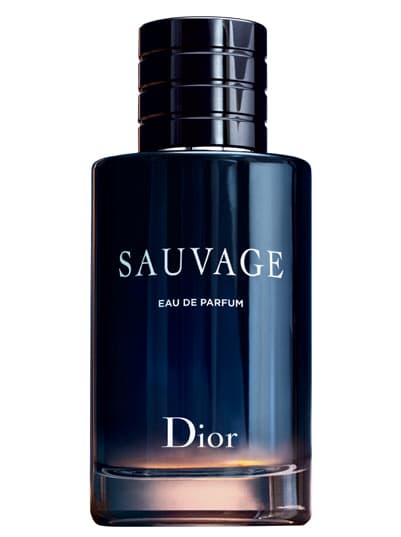
Dior
A fresh spicy men's fragrance built around bergamot, Sichuan pepper, and ambroxan—bold, versatile, and unmistakably modern.
Why it's a good fitStrong enough that a second person can usually confirm whether it is still projecting when you cannot tell.
Prefer a shortlist? See our best long lasting fragrances buying guide.
Watch outs
FAQ
Many people notice reduced self-perception within one to three hours of wearing the same scent. Full adaptation timing varies by person, concentration, and how often you wear that bottle.
Yes. That is the classic nose-fatigue pattern. Always verify with someone else before reapplying.
A short break in fresh air and smelling something neutral (clean fabric, unscented skin) is more practical than coffee-bean myths. The reliable test is still a second person’s opinion.
Then you are dealing with fade or weak application—not adaptation. See why cologne fades so fast and how long cologne lasts for concentration ranges and fixes.
Most often it is dry skin, a light concentration (EDT), heat, rubbing after spraying, or nose blindness—not a “broken” bottle. Moisturize first, spray pulse points, and consider an EDP for longer days.
Yes. An unscented moisturizer creates a smooth base so fragrance oils evaporate more slowly. Apply lotion, wait a minute, then spray cologne.
Light fabric mists can hold scent longer, but oils may stain and the fragrance will not bloom like it does on skin. Prioritize moisturized pulse points; treat clothing as a cautious secondary.
Usually yes. EDP has a higher oil concentration, so it often wears 6–10 hours vs 3–6 for many EDTs—though skin chemistry and climate still matter.
Yes. Dry skin shortens wear; oilier skin often holds fragrance longer. Universal fix: moisturize before spraying either way.
Keep learning
Connect longevity tips to buying guides, spray counts, and full bottle reviews.