Pulse points
Pulse points sit above blood vessels that run warmer than average skin. That gentle heat helps fragrance evaporate at a steady pace instead of sitting flat.
Cedar
High-concentration placement: fewer sprays, warmer pulse points.
At a glance
Apply Parfum to one or two pulse points—usually the chest or sides of the neck—with only 1–3 sprays. Higher oil concentration means longevity and density come from the formula, not from covering every wrist and elbow.
Visual guide
Neck, behind the ears, chest, wrists, and inner elbows—click a hotspot for a dedicated page.
Science of placement
Pulse points sit above blood vessels that run warmer than average skin. That gentle heat helps fragrance evaporate at a steady pace instead of sitting flat.
Body heat is the engine behind diffusion. Warmth turns liquid mist into a wearable scent trail that moves with you through the day.
Where you spray changes how far scent travels. Neck and chest create a balanced aura; behind the ears stays intimate; heavy clothing sprays can project unevenly.
Skin oils and warmth help notes unfold from top to base. Dry skin, rubbing, and washing pulse points away all shorten wear time more than spray count alone.
Placement guide
The sides of the neck sit over major arteries. Warmth lifts fragrance into your personal space every time you move or turn your head.
Best fragrance typesVersatile daily wearers—EDT and EDP especially
Chest application sits under clothing warmth. Heat slowly releases scent through your shirt without blasting everyone nearby.
Best fragrance typesOffice-safe and long-lasting EDPs
Inner wrists are classic pulse points. Movement creates a soft scent trail when you gesture—without needing a heavy cloud.
Best fragrance typesLighter EDTs and fresh aromatic profiles
Behind the ears is warm, close to your face, and ideal for intimate projection. People notice it when they lean in—not from across the room.
Best fragrance typesDate-night EDPs and softer Parfum applications
Inner elbows are warm crease points that open and close as you move, gently pushing fragrance outward through the day.
Best fragrance typesLonger-lasting EDPs and cooler-weather scents
Also important
Recommendations
Bottles that fit this placement advice—not generic product filler.
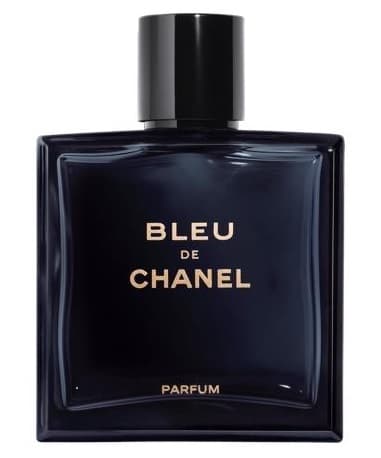
Chanel
The deepest Bleu—aromatic freshness over creamy sandalwood and cedar. More intense, smoother, and built for evenings.
Why it's a good fitRich Bleu concentration that needs a light hand on chest or neck.
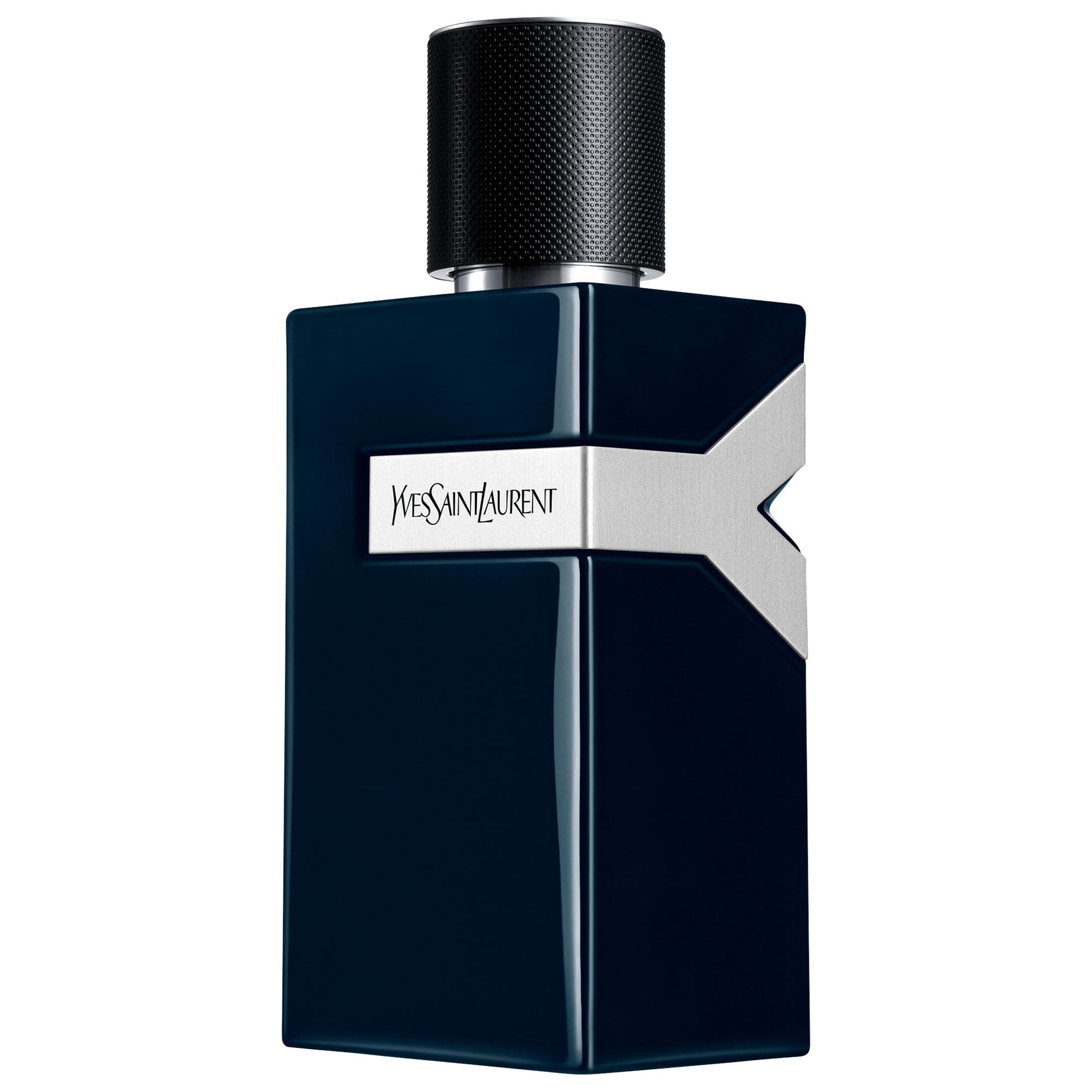
Yves Saint Laurent
A darker, more concentrated Y—pine and geranium freshness over fir balsam and patchouli for nights and cooler air.
Why it's a good fitDenser and sweeter than Y EDP—one or two well-placed sprays.
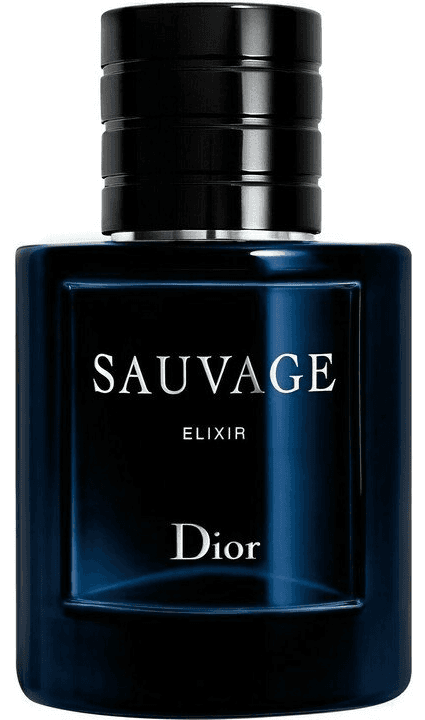
Dior
A denser, spicier concentration of Sauvage built for longevity, cold weather, and nights when you want presence.
Why it's a good fitElixir-level strength; treat placement like Parfum, not EDT.
Application
FAQ
Men typically get the best results on pulse points: sides of the neck, chest, and inner wrists. Add behind the ears for closer settings. Avoid rubbing, and keep spray counts modest indoors.
The same pulse-point logic applies. Neck, wrists, behind the ears, and décolletage/chest all work well. Match placement and spray count to concentration—Parfum needs less than EDT.
You can, but skin is better for natural development. Clothing may stain and locks scent in a flatter way. If you mist fabric, keep it light and test an inside seam first.
Yes—wrists are a classic pulse point. Spray once per wrist and let it dry. Do not rub. Pair with neck or chest rather than relying on wrists alone for all-day wear.
Yes. Daily wear works best with moderate application on skin, office-friendly placements (chest and neck), and bottles suited to your environment.
Apply to skin after dressing enough to protect fabric from wet spray, or spray chest/neck before the final shirt layer settles against damp skin. Avoid soaking collars and cuffs.
Keep learning
Link placement advice to spray counts, buying guides, and full reviews.