Pulse points
Pulse points sit above blood vessels that run warmer than average skin. That gentle heat helps fragrance evaporate at a steady pace instead of sitting flat.
Cedar
A direct answer on fabric sprays, stains, and better options.
At a glance
Yes, you can put cologne on clothes, but it is usually not the best choice. Fabric may hold scent longer while risking stains and flatter development. Prefer neck and chest skin; if you mist clothing, keep it minimal on durable outerwear.
Visual guide
Eyes, hair, and heavy clothing sprays cause most problems—tap a zone to learn why.
Science of placement
Pulse points sit above blood vessels that run warmer than average skin. That gentle heat helps fragrance evaporate at a steady pace instead of sitting flat.
Body heat is the engine behind diffusion. Warmth turns liquid mist into a wearable scent trail that moves with you through the day.
Where you spray changes how far scent travels. Neck and chest create a balanced aura; behind the ears stays intimate; heavy clothing sprays can project unevenly.
Skin oils and warmth help notes unfold from top to base. Dry skin, rubbing, and washing pulse points away all shorten wear time more than spray count alone.
Placement guide
Textiles trap aroma chemicals, which is why a coat can smell like your fragrance days later.
Best fragrance typesUse sparingly; prioritize skin for designer EDPs
Chest application sits under clothing warmth. Heat slowly releases scent through your shirt without blasting everyone nearby.
Best fragrance typesOffice-safe and long-lasting EDPs
The sides of the neck sit over major arteries. Warmth lifts fragrance into your personal space every time you move or turn your head.
Best fragrance typesVersatile daily wearers—EDT and EDP especially
Also important
Recommendations
Bottles that fit this placement advice—not generic product filler.
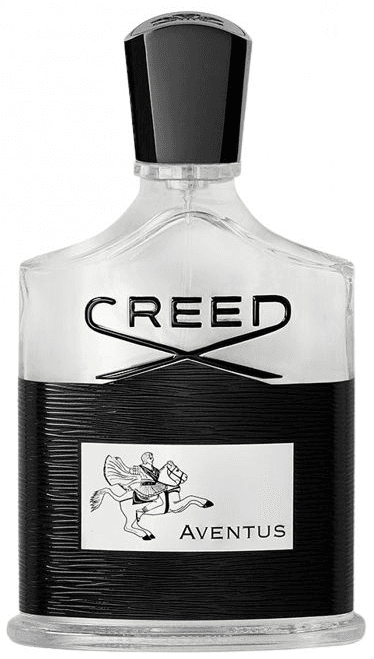
Creed
A fruity-smoky niche classic built around pineapple, birch, and musk—the luxury benchmark for modern masculine presence.
Why it's a good fitExpensive juice performs best on skin—protect shirts from stains.
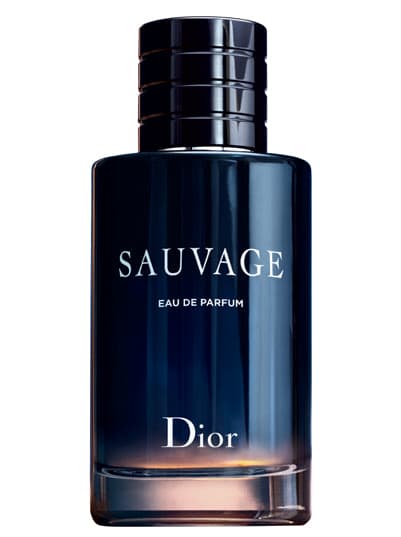
Dior
A fresh spicy men's fragrance built around bergamot, Sichuan pepper, and ambroxan—bold, versatile, and unmistakably modern.
Why it's a good fitStrong enough on pulse points that fabric spraying is unnecessary.
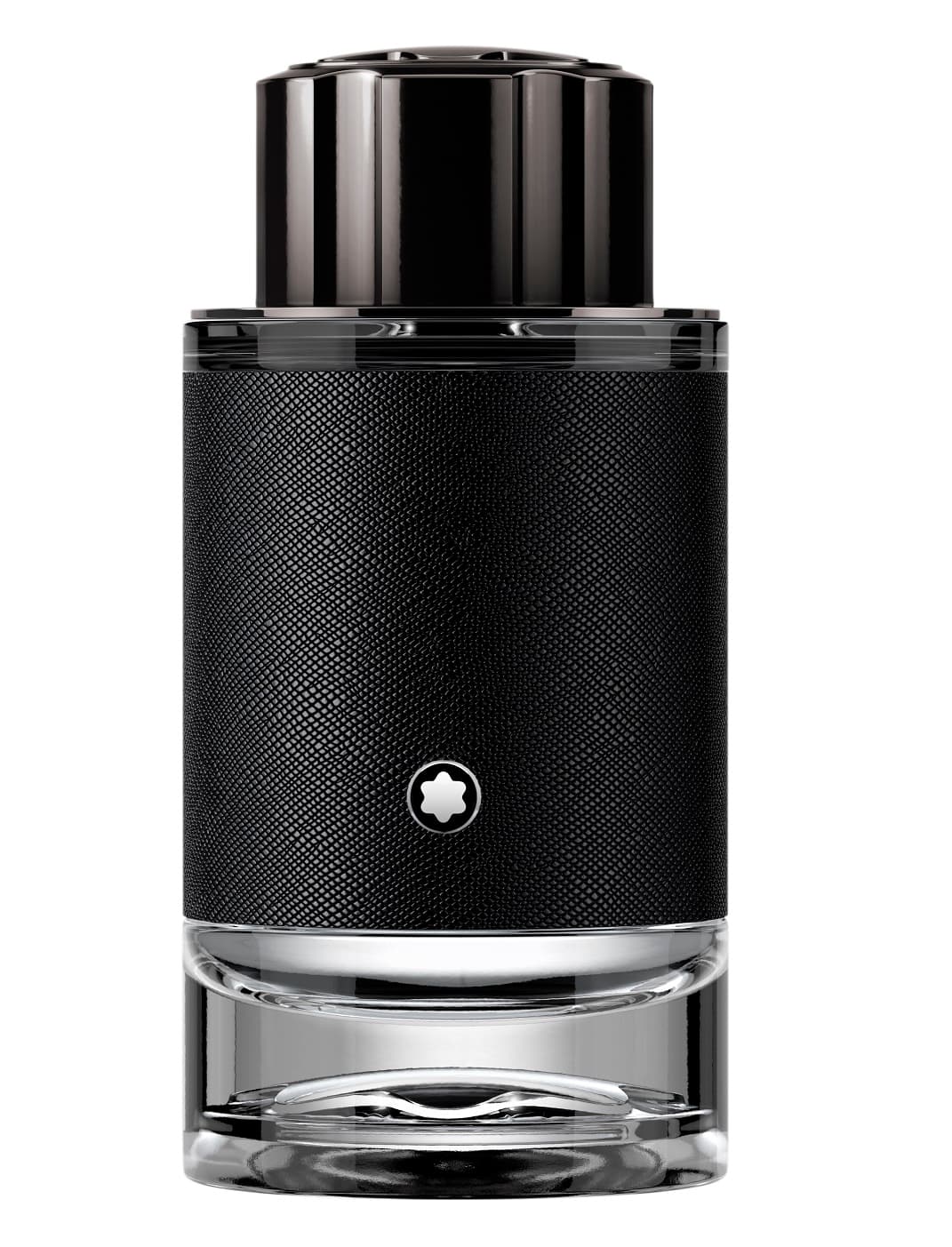
Montblanc
A fresh woody fragrance with bergamot, vetiver, and patchouli—Aventus-inspired character at a fraction of the price.
Why it's a good fitDaily wearer that develops more naturally on skin than on cotton.
Application
FAQ
Men typically get the best results on pulse points: sides of the neck, chest, and inner wrists. Add behind the ears for closer settings. Avoid rubbing, and keep spray counts modest indoors.
The same pulse-point logic applies. Neck, wrists, behind the ears, and décolletage/chest all work well. Match placement and spray count to concentration—Parfum needs less than EDT.
You can, but skin is better for natural development. Clothing may stain and locks scent in a flatter way. If you mist fabric, keep it light and test an inside seam first.
Yes—wrists are a classic pulse point. Spray once per wrist and let it dry. Do not rub. Pair with neck or chest rather than relying on wrists alone for all-day wear.
Yes. Daily wear works best with moderate application on skin, office-friendly placements (chest and neck), and bottles suited to your environment.
Apply to skin after dressing enough to protect fabric from wet spray, or spray chest/neck before the final shirt layer settles against damp skin. Avoid soaking collars and cuffs.
Keep learning
Link placement advice to spray counts, buying guides, and full reviews.